You are juggling many things in life, be it work, school, relationship, or money.
You understand that these things are important. So you can’t just toss them aside.
But then comes another problem: stress.
It makes you feel tight in the chest. It’s like a shadow following you around 24/7. It makes you suffocate.
If you do feel like this, you’re probably stressed out.
To help you relieve stress, there are some things to know first.
Table of Contents
What is Stress?
Distress vs. Eu-stress
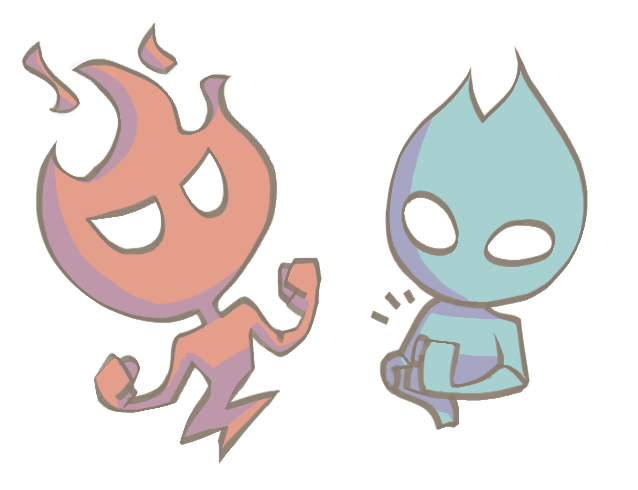
Stress is a neutral thing, like a force.
Everyone, including you, have a meter that shows how much stress you can handle.
Too little stress will give you not enough motivation, while the right amount of stress (eustress) can be beneficial.
Too much stress is called distress.
Sadly, in the world where we promote “high productivity” and “hard work”, many people ignore their stress meter.
After a period of time, you may suffer from a burnout.
You may not even know where your stress comes from, because you’re too invested in your work to notice.
Here are the 3 main sources of stress.
Reasons for Stress

Work-Related Stress
Its easy to get stressed because of work.
High workload, bad colleague relationship, and long work-hours can be extremely stressful.
Life Events Stress
Some severe life events can be stressful too.
Divorce, accidents, illness, death, and trauma are all reasons of stress.
Don’t think that just because some life events happen only once, you may not feel distress.
Unfortunately, that’s not always the case.
Mental Stress
Stress can even come from your own attitude.
For example, a perfectionist mind can be a lot more stressed than a non-perfectionist.
Because a perfectionist often feels upset about things not being “perfect”.
40 Simple Ways to Relief Stress
In this list, there are 4 types of stress relief method:
- Physical
- Mind Declutter
- Seek Help
- Time Management
In order to effectively relief stress, I recommend that you first understand the reason you’re stressed.
For example, are you sitting in the office all day without much movement?
If so, then you can benefit more by using the “physical” stress relief method.
Without further ado, let’s begin!
Physical
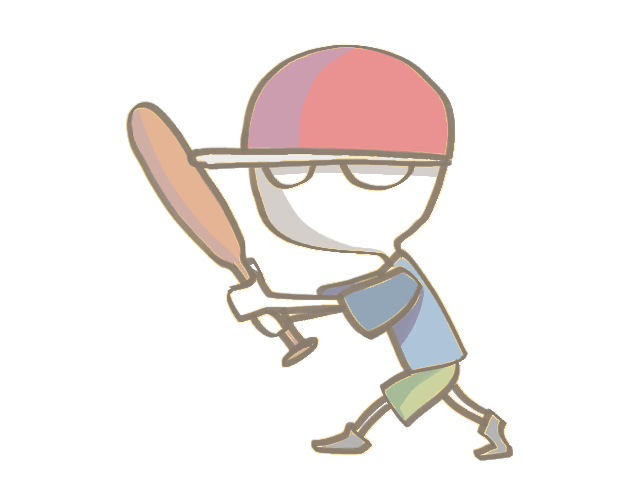
1. Exercise and Sports
Your body movement gives you an outlet for stress.
Often times, sitting all day is even more stressful than walking around.
2. Eat Healthy
A healthy diet not only detoxifies you body, but also clears your mind and improves your mood.
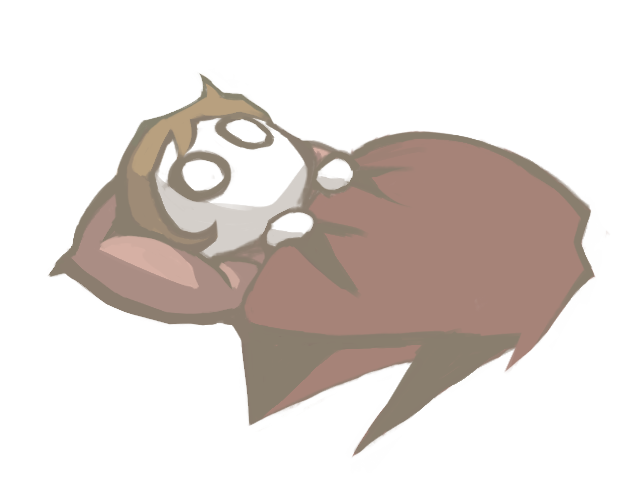
3. Sleep
Sleep is so underrated in the modern world. But you need it in order to sustain your mental and physical health.
An average young adult needs about 7-9 hours of sleep.
Any less may give you headaches, mood swings, and other physical symptoms that contributes to stress.
4. Take Deep Breaths
Feeling stress is catching up to you?
Don’t panic. Take a few deep breaths.
Your brain needs oxygen to function properly, and exhale carbon dioxide to decreaset that “irritation” feeling.
5. Do Not Rely on Caffeine/ Alcohol
Don’t be the person who rely on coffee and alcohol to relief stress.
The moment of drinking may feel gratifying.
But these drinks will increase your blood pressure, which indirectly gives you more stress.
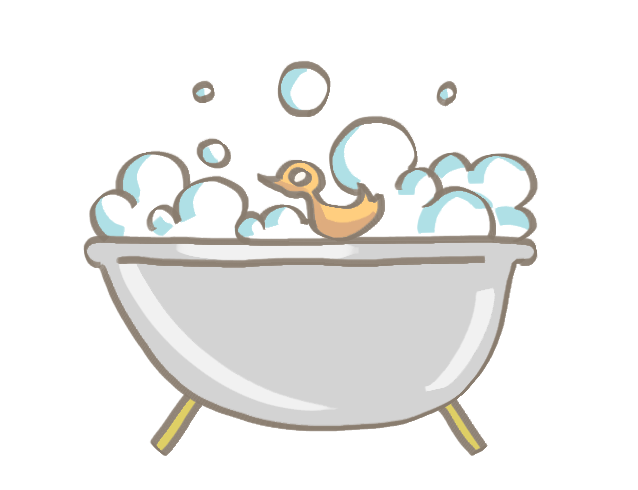
6. Warm Bath
When you’re back home, take a warm bath to care for yourself.
Cleaning yourself thoroughly, while giving private time to yourself to think things through, is a great way to relief stress.
7. Chew Gum
You can chew gum to increase blood flow to your brain, so that you can remain a clear mind to solve your problems.
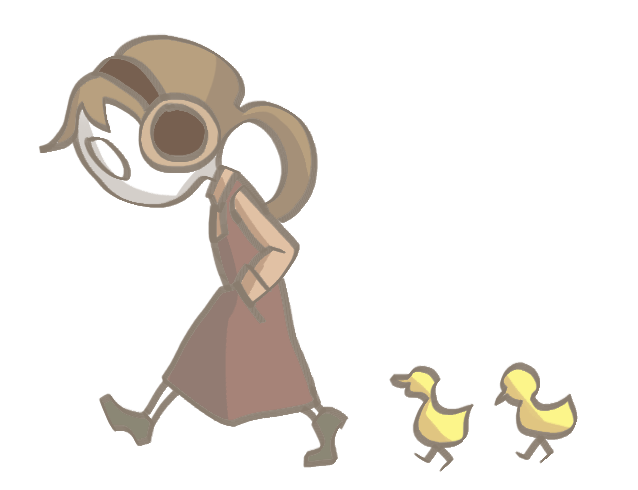
8. Take a Long Walk
If you’re not keen on doing exercises at the moment, taking a long walk is also okay!
Psychologists proved that thinking during walking to more efffective than thinking during sitting.
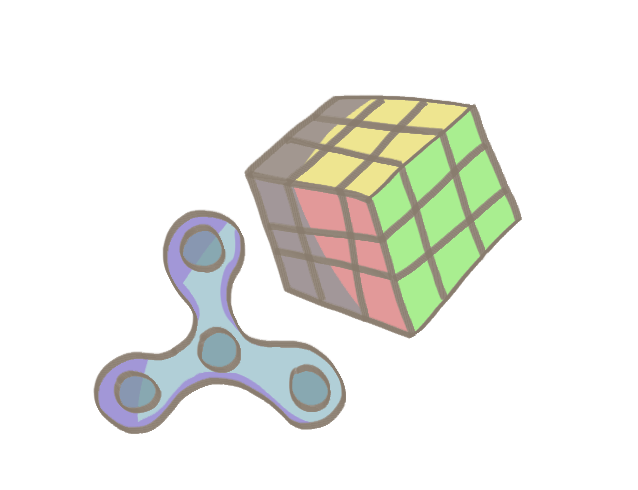
9. Play with a Fidget Toy
Have you tried playing with fidget cube or a fidget spinner?
Fidgeting is a way to decrease stress!
10. Drink Water
The water in your blood veins helps increase blood flow. So that you can have a clear head.
Ideally, you should drink about 2L of water a day.
Mind Declutter
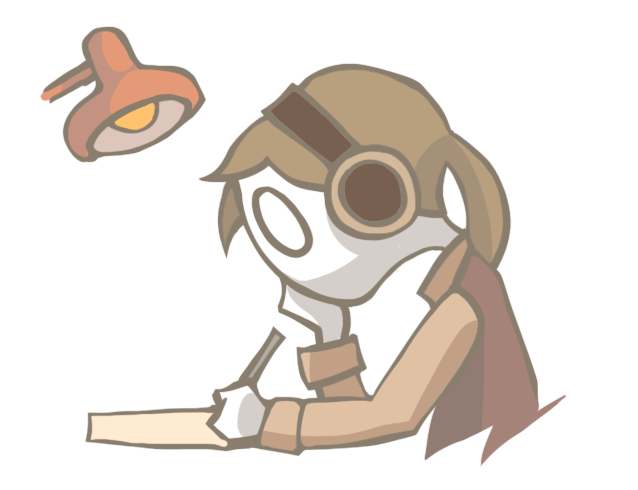
11. Write Down Your Stress
One big reason for stress is a messy mind.
With so many thing crumpled inside your head, sometimes you can’t think straight.
At this point, writing down all the things that’s stressing you is a good techinque to declutter your mind.
A planner is one way to organize your day. You can put all the things you need to do on paper, so that you don’t need to remind yourself over and over.
You can download a free daily planner here, which includes:
- Daily schedule (Monday to Sunday)
- To-do list
- Notes
- Water tracker
- Reflection journal area

12. Say No
You’re already stressed out, don’t give even more work to stress yourself over.
Understand it’s okay to say no. And there’s no shame in being honest by saying that you’re stressed out by too much work.
13. Meditate
Taking 5-10 mins of meditation a day can improve your mood and mental clarity.
In my own experience, just a week of meditation is enough to notice the effects
So this method is suitable for you, if you are stressed constantly. (e.g. work, school, etc.)
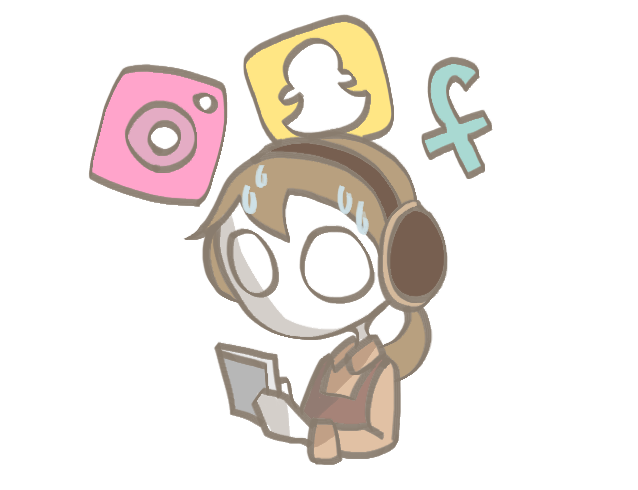
14. Step Away from Social Media
Social media is a big reason for stress, especially for young people.
You- unconsciously- may compare your life to those pretty photos on social media.
As a result, you will be stressed because other people are “more accomplished” than you.
Understand that social media can never show you all sides of a person’s life.
At best, simply uninstall your social media apps for a while.
15. Exit the Room
When you’re emotional, sometimes you can’t think straight.
It’s completely find that you step away from the source of your stress for a while.
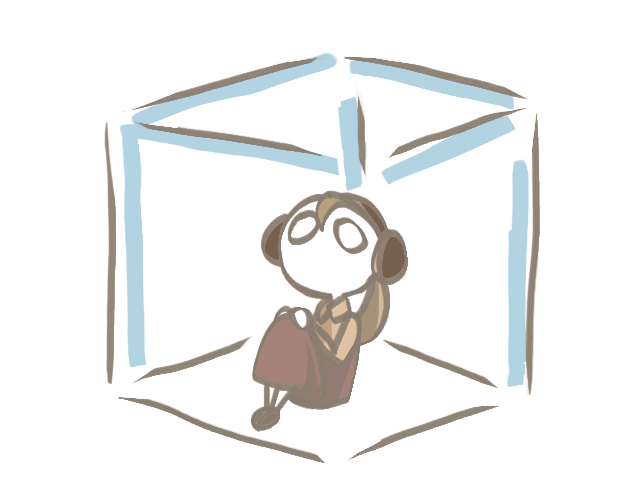
16. Stay at a Quiet Place
Loud noises and crowds are highly-stimulating, which means they may agitate you when you’re already stressed.
Find a quiet room or space to cool down.
17. Avoid Stimulation
An adequate amount of stimulation keeps you alert.
But too much stimulation can be a reason of distress.
When you’re stressed out, avoid stimulations like flashing screens, loud music, etc.
18. Think Positive
Every cloud has a silver lining.
You don’t have to deny your stress and problems. But you can face them knowing that you will pull through.
19. It’s Okay to Cry
Crying is a proper and valid response to stress.
It’s not a sign of weakness, but an effective outlet for stress.
20. Declutter Your Workplace
Just like a messy mind, a messy workplace can make you feel stressed just by looking at it.
By clearing all the useless items, you can reduce stress.
Seek Help
21. Talk to Friends
Look for a trusted friend to share your problems with.
Your problems may not be solved just by talking about it. But stress can be reduced when you know you’re not alone or helpless.
22. Talk to Therapist
Therapists can give you professional opinions.
If you think your stress level is filled to the brim, and you suspect you’re suffering from mental health issues, don’t hesitate to look for a therapist.
23. Talk to Family
Some people think their parents don’t understand their problems, and choose not to talk to their family.
But you never know whether your family members have been through similar problems in the past, and can emphasis with you.
24. Laugh with Friends
Laughter is a great stress reliever.
Not only does it reduce stress hormones, but it improves your immunity as well!
Joke with friends, or better yet, try a “Try not to Laugh Challenge” and fail together!
25. Listen to ASMR
ASMR (autonomous sensory meridian response) audios are designed to soothe your mind.
When you focus on the sounds, they take you away from stressful thoughts.

26. Play with Your Pet
Do you have a pet? Try petting and playing with them!
They may not speak human language, but they understand the concepts of playing and social interactions.
27. Read about Stress Management
Simply reading can be calming. Books take you to another perspective, so that you don’t have to focus on stressful thoughts.
Reading about stress management teaches you about how to manage stress.
Here are some recommendations that got high ratings on Goodreads:
- Why Zebras Don’t Get Ulcers (Robert M. Sapolsky)
- Full Catastrophe Living (Jon Kabat-Zinn)
- How to Stop Worrying and Start Living (Dale Carnegie)
- The Gifts of Imperfection (Brené Brown)
- The Four Agreements: A Practical Guide to Personal Freedom (Miguel Ruiz)
- Who Moved My Cheese? (Spencer Johnson)
28. Watch TED-Talk about Stress
Learn fun facts about stress! As you know more about your “enemies”, you can find practical ways to deal with them.
Here’s a TED-talk by Kelly McGonigal on how to see stress in a different light:
29. Be Honest with Your Feelings
When you’re seeking help, be sure to be honest about how you feel.
This is a good exercise on translating your feelings into words.
Everyone has the point in their life where they feel horrible- the same goes for you. So there’s no shame in admitting your feelings.
30. Don’t Hold it in
“I can get through this without help.”
“It’s weak to ask things like this.”
“I’m just too sensitive…”
These thoughts will only makes stress worse. Your body and mind know fully well about the limits of your stress tolerance.
When you feel like you need help, don’t hold yourself in.
Time Management
31. Set Your Priorities
Are you biting off more than you can chew?
You can write down a list of things you want to do, then order them according to who important they are.
Focus on what you prioritizes most. You can deal with the others later.
32. Make Time for Self-Care
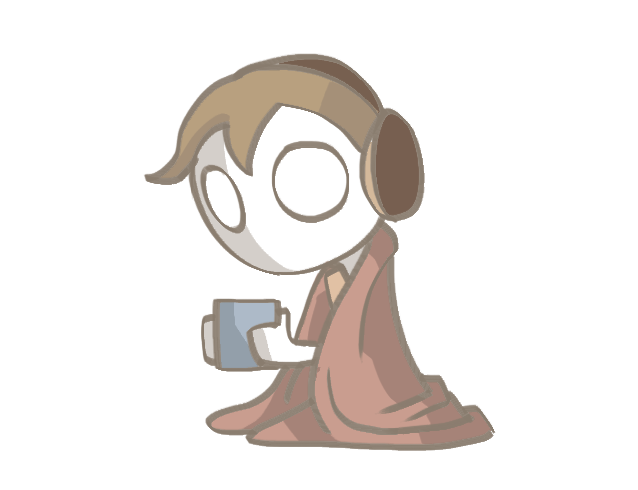
Self-care is very important. Simply “finishing your work” is not self-care.
Take at least a day off every week for yourself. If you’re stressed out every day, both your mental health and work quality will go down.
33. Make Time for Your Hobbies
Hobbies are meaningful. You’re doing what you’re passionate about!
When you’re enjoying what you do, even though you might be working on something (e.g. drawing, writing, crafting, etc.), they don’t feel like work to you.
Instead, hobbies calm you mind and relief your stressl.
34. Make Time for Social
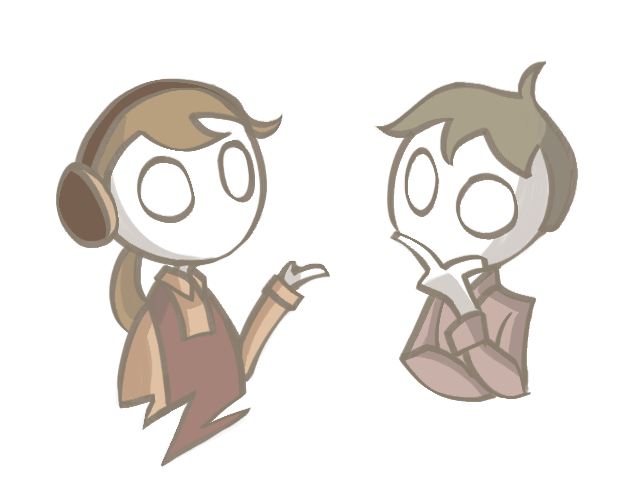
Every person needs to social (yes, even introverts), it’s a human necessity.
Hang out with people you like and trust, whether it’s a friend or a group. Meanwhile, you can talk about things unrelated to work or the things that stress you out.
35. Delay Deadlines
Approaching deadlines are bound to give you stress. That’s what deadlines are for: urging you to finish the work.
But when you can’t meet the deadlines even though you tried your best, the deadlines lose their meaning. Instead, they only give you anxiety and distress.
Don’t hesitate to adjust your plans, push back deadlines, or ask for extra hands.
36. Break Into Small Tasks
A big project sounds intimidating at first. But here’s a trick.
Any big plans are built up by many small tasks. And those small tasks are much easier than you expected.
Try to break the big task into smaller tasks. For example, I have to publish this blog post. These are the small tasks I can do:
- Decide on the topic
- Write down all the points
- Write the content under the headings
- Draw images
- Make the cover
This list can just be summarized as “write a blog post”. But your mind will feel less stressed when things are clear and simple.
37. Create a Daily Plan
“What work do I have to do today?”
“Do I have enough time to finish everything today?”
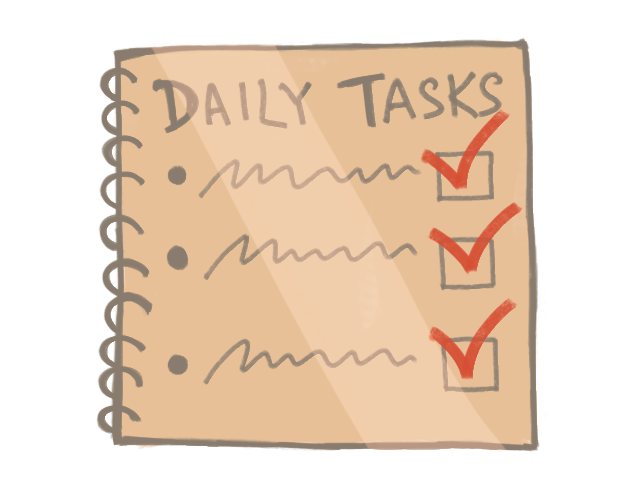
These are the thoughts that come when you don’t have a specific plan for the day. You will definitely feel stressed organizing your day in your head.
But know that these questions can be easily answered by writing a daily plan beforehand. At the start of the week, or right before the next day.
38. Don’t Multi-Task
Your brain cannot multi-task. Simple as that.
What? But I can watch videos and do my homework at the same time!
That’s the illusion of multi-tasking. But the fact is you’re not. Your mind only switches back and forth between tasks.
The “switching” is what wastes time and increases your stress.
39. Avoid Perfectionism
Do you constantly criticize your own work without solid reasons other than “I’m not good enough”?
You probably are influenced by perfectionism.
It’s an unhealthy mindset that beats up your self-esteem, as well as increasing stress for you.
Understand that no one is perfect. You are good enough. And that’s okay to make mistakes sometimes.
40. Use Batching Method
Do you have many repetitive tasks? I recommend you try “batching”!
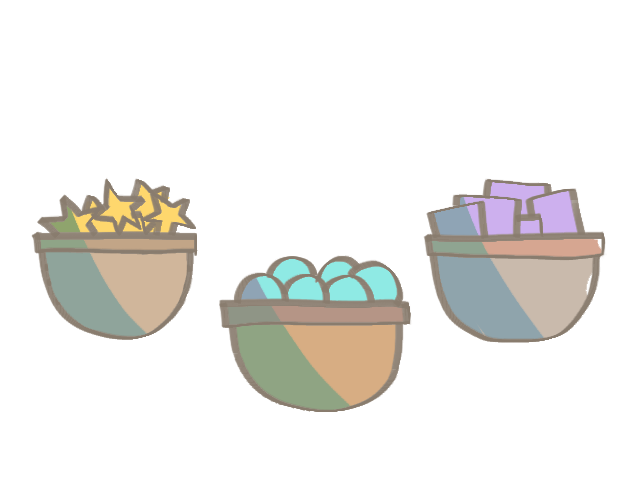
Batching means doing all the same type of tasks first, then move on to the next type.
Let’s take blogging as an example again:
Let’s say I want to write 3 blog posts this week. But doing it one by one can be time-consuming.
So I will plan out the topic of all 3 blog posts first. After all the topics are settled, I move one to decide all the points of the 3 posts. Finally, I will start to draw all the images of the 3 posts.
This process saves time because you don’t have to switch back and forth between different tasks. It also feels satisfying because you can completely check off a task!
Conclusion
The tricky thing about stress is that you don’t know your limits.
You’re not sure how much stress you can handle.
And so you think “it’s best that I finish my work before I rest!”
But the work never seems finished.
And you feel worse and worse.
Eventually, you start to think “what am I even doing anymore?”
This is a sign that you believe you’re not important compared to the work you have.
But the truth is- you are important.
Putting yourself first is the first step to stress relief.
In order to be happy, you must be willing to take care of yourself.
Related Posts
- Self-Care Ideas: 60 Ways to Take Care of Yourself
- Motivation Monday: 30 Ways to Motivate Yourself (with Bonus Points)
- Burnout: 20 Signs You’re Burning Out and How to Recover