If you want to become an awesome digital artist, it helps to know what is quietly slowing you down. Improvement is not only about learning new techniques — it is also about noticing the habits, mindsets, and small choices that make your progress harder than it needs to be.
Table of Contents
I have to confess here: I’ve made many of these mistakes myself, and I still catch myself slipping into some of them from time to time.
That is exactly why I wanted to write this post — not to shame anyone, but to help you recognize the patterns that can hold you back before they become bigger problems.
Some of these mistakes are about skill. Some are about mindset. And some are about how you interact with the art community. The good news is that all of them can be improved with awareness, patience, and a little consistency.
So if you’re trying to grow into a stronger, more confident artist, this list is for you.
Explore the world of Paper House
Original Comic series at INkroverts
1. Being too defensive about “art theft”
“Art Thief! You Stole My Pose!”
Let’s start with the habits that can cause the most confusion, frustration, or unnecessary drama. Some of these might sound dramatic at first, but they are often more common than people realize.
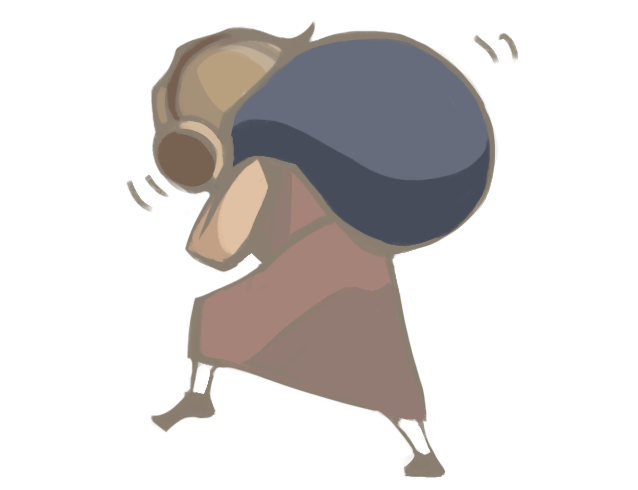
Many artists who have only just shared their work online would feel afraid. This is not just emotional- it’s shown in behaviour: putting big watermarks across their work, highlighting a “do not steal/ repost” slogan in their description, keeping their works behind a paywall, etc.
One big reason is that they fear people will steal their work. As debuting artists- they are legitimately vulnerable because they have so little audience who will recognize their art styles, so the “thief” can claim their artwork and no one will know!
It’s natural to feel protective of your work, especially when you’re just starting out and still building confidence. But sometimes artists panic too quickly and assume every similar pose, expression, or composition is theft when it may just be a common artistic choice.
Before reacting, pause and ask whether the issue is actual copying, casual reposting without credit, or simply a shared idea. For example, many stolen artworks are used to make cheap merch like prints on T-shirts and tote bags for reselling. Those thieves would shamelessly steal from the most popular art (e.g. from the first page of Google Image).
If it is a real problem, keep calm and handle it professionally instead of turning it into public drama.
2. Calling yourself lazy
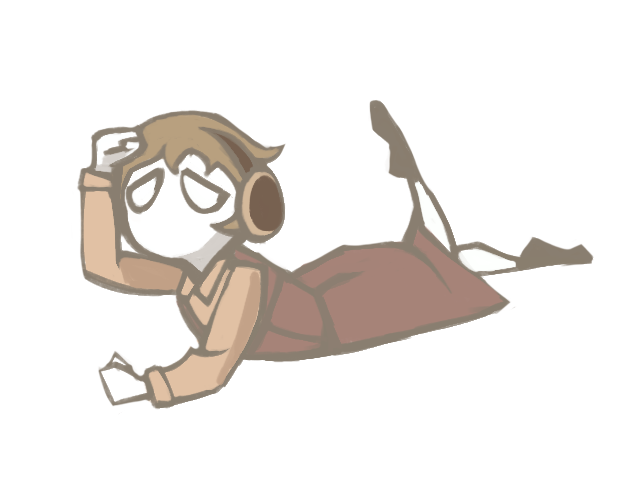
“I’m Too Lazy To Complete This.”
Woah there!
Everyone has off days, but constantly labeling yourself a “lazy artist” can make the problem feel bigger than it is.
If you have the time and energy to create but keep avoiding it, the better response is to notice the pattern and change it.
At the same time, not every break is laziness — sometimes you are tired, overwhelmed, or mentally drained. The healthier mindset is to respect rest when you need it, but also stay honest about when you need discipline.
Fun fact in behavioural psychology: Just like positive affirmations, negative affirmations can also take a toll on you. Sometimes a slight jab of self-deprecation can sound joke-ish or humble, but constant labeling of yourself as “lazy”, “talentless”, “never going to succeed” will affect your behaviour and decision-making as well.
For example, if you already believe you “cannot complete an artwork”, what are the odds that you will pick up your pen and try?
On the other hand, if you are open-minded and ready to face trials and errors, you will gain the experience and skills to succeed in the future.
3. Caring Too Much About Other Artists’ Age
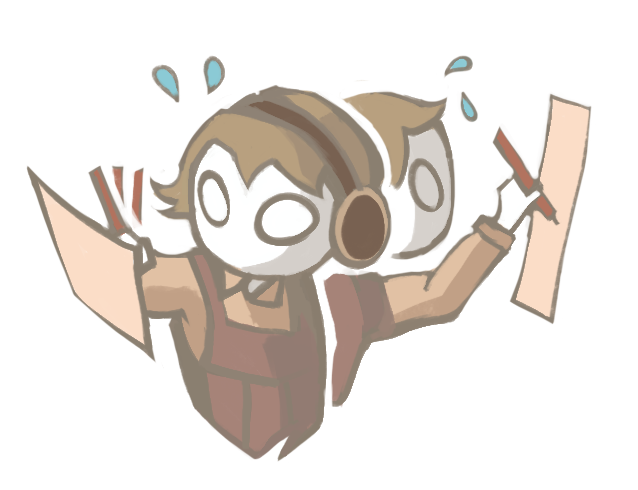
“She’s 10 years younger and already draws so well!”
It is easy to feel discouraged when you see a younger artist drawing better than you. You may start wondering why someone younger seems so far ahead, or why you are not improving as quickly as they are.
But age does not decide artistic worth, and skill is not a race. What matters most is your own growth, your own pace, and the effort you put into improving over time. The more you focus on what you can learn, the less power age comparison has over you.
How an artist improve depends on so many factors: how many hours put in practising, life priorities, how general/ specialised the practising is, etc.
Moreover, how “well” an artist draws is ambiguous as well. Are you thinking about Instagram follower count? How detailed their art looks? How broad their skills are? How long the list of artworks they’ve accumulated?
4. Getting Desperate
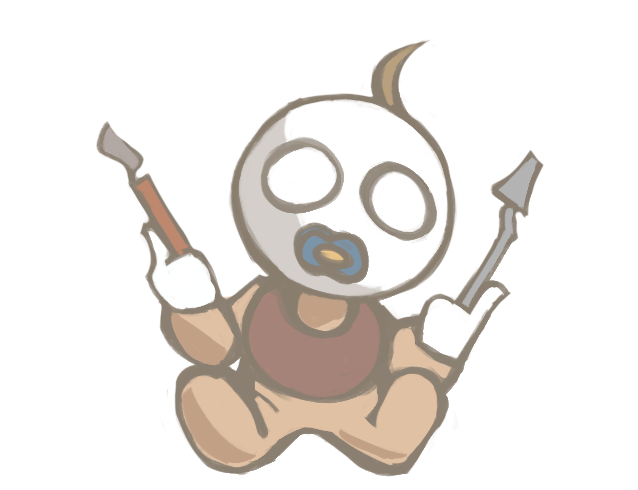
“Pls Like My Art!”
Wanting attention for your art is normal, but directly asking strangers to like, follow, or praise you usually has the opposite effect. People are far more likely to support work that genuinely interests them than comments that feel pushy or desperate.
A better approach is to participate meaningfully in the community, give thoughtful feedback to others, and let your work and presence build interest naturally. Respect comes from contribution, not pressure.
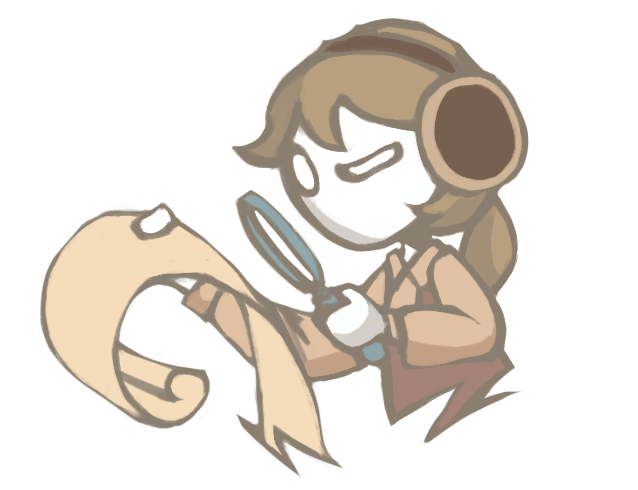
Free wallpaper download!
Original Comic series at INkroverts
5. Fishing for Sympathy
“I’m Broke. Please Buy My Art.”
It is okay to want support, especially if you are struggling financially, but guilt-based posts often push people away instead of bringing them closer. Sharing every hardship in hopes that others will buy from pity can make your audience uncomfortable and suspicious.
Of course, sharing your struggles in the drawing process can be relatable to people. So I’m only talking about outright begging for money.
With advances in the internet, people are increasingly suspicious of scams.
If you want to earn money from your art, it is usually better to present your products clearly and professionally, or to offer commissions, prints, or other value-based options. Let your work be the reason people buy.
6. “Anime Is Not Art” VS “Anime Forever!”
Anime is just one art style among many, and dismissing it as shallow or unserious ignores how broad and expressive it can be. Like any style, it can be done poorly or beautifully depending on the artist’s skill, intent, and storytelling. If you enjoy anime influences, there is nothing wrong with that. Style preference is personal, not a measure of artistic worth.
I’m writing this point specifically for my high school art teachers, who were quite opposed to their students drawing anime for school projects.
But I guess they do have a point: Anime is a simplified art style that may lead beginners into skipping the fundamentals.
My very first art role model: Takeshi Obata (illustrator for Death Note) is clearly super proficient in drawing people- be it faces, muscles, even down to leather textures. All this so that he can draw simplified panels but still make the artworks look good.
So even though you may be fond of anime style, don’t forget to practice fundamental skills. But at the same time- don’t let other people talk you out of loving anime!
7. Relying Too Much on Tools Instead of Fundamentals
Speaking of fundamentals…
Digital art tools are powerful, but they can also make artists overly dependent on shortcuts. Layers, undo, brushes, and filters are helpful, but they cannot replace good observation, anatomy, composition, and control. If the fundamentals are weak, even the best software will not save the piece. The goal is to use tools to support your skills, not to substitute for them.
For example, drawing shadow isn’t just adding a grey patch on a “multiply” layer.
In fact, drawing shadows can make your art look infinitely more colourful and dynamic. Because shadows isn’t just “a darker shade of the base colour”.
By learning colour theory, you blue and purple tone for the shadows, yellow and red for lights, and so many other combinations.
8. Hiding behind “messy style” too early
A messy style can be intentional and expressive, but it should not be used as an excuse for weak control. If you are still struggling to make your lines, shapes, and forms clear, then what you have may be more lack of control than style.
Style becomes powerful when it is built on solid fundamentals. If you want your looseness to feel artistic rather than accidental, keep practicing control and clarity.
When you have mastered the fundamentals and decided that your artworks are better with more hatchings, and small lines, well, all the better! In fact, other experienced artists can also see and recognise your skills, even if you draw in a simplistic style.
If you’re not sure, try drawing a hand.
The hand is one of the most difficult body parts to draw, mostly because it can be extremely dynamic with so many joints.
After you draw a hand, look at the outlines.
If you have many lines, it can be messy. But if it’s intentional, you’ll know which particular line is the real outline.
And where does control come from?
Practice! Lots and lots of practice and fundamental skills.
For fundamentals, I highly recommend learning from Proko. They have free tutorial videos that provide detailed descriptions of how to handle drawing human anatomy.
9. Refusing criticism completely
“Don’t Like, Don’t See.”
Not every comment is useful, but blocking out all criticism can make it harder to improve. Some feedback is rude, some is irrelevant, and some is genuinely helpful. Learning to tell the difference is part of growing as an artist (and as a person too. Because social intelligence is such an underrated soft skill!)
When facing haters, we sometimes use phrases like this to shoo them away.
If multiple people notice the same issue, it is probably worth paying attention to, even if hearing it is uncomfortable.
But I have seen artists write “don’t like, don’t see” in their own artworks’ descriptions. They shun negative comments before they even come.
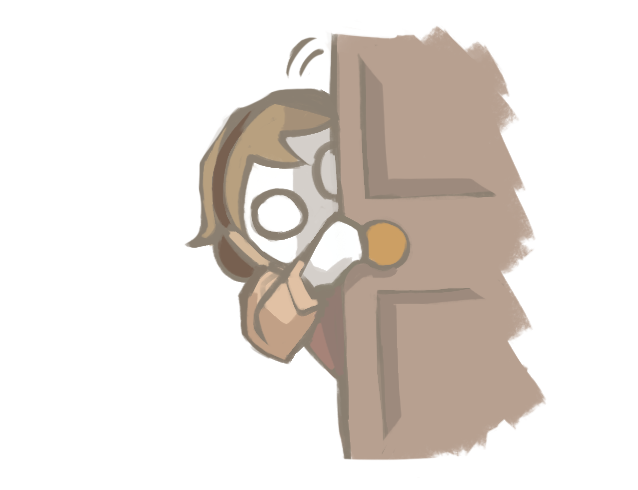
Sometimes things you want to hear don’t equal things you like to hear.
A lone, random negative comment may very well be due to personal tastes, but ten similar negative comments are clear indications that the artists should reflect on themselves.
With negative comments, you can train yourself to develop a thick skin.
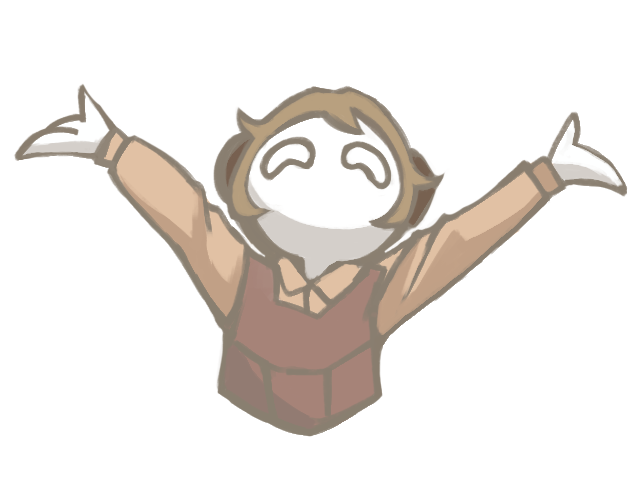
So that no matter online or offline, you’ll have the emotional intelligence to face criticisms.
You also gain wisdom in deciding which critiques are useful and which are useless.
Conclusion
Here’s a full replacement conclusion:
Improving as a digital artist is not about being perfect from the start. It is about learning to notice what is not working, adjusting your habits, and keeping your creativity alive while you grow.
Mistakes are part of the process. They do not mean you are a bad artist — they mean you are still learning, experimenting, and developing your own voice. The more honestly you can look at your habits, the easier it becomes to improve in a way that feels sustainable.
So if you recognize yourself in any of these points, do not panic. Pick one thing to work on first, and let that be enough for now. Small improvements add up, and over time they can completely change the way you create.
Thank you for reading to the end!
If you enjoyed this post, you might also like my other art tips, my comic, and shop for freebies. Or you can join my email list for future update: